
Looking beyond the obvious hot spots in the Mile High City? Great news — there are several neighborhoods in and around Denver that aren’t yet headline-grabbers, but are full of charm, upside and neighborhood-love. Whether you’re a buyer, seller, or investor, these “under-the-radar” areas are worth a look.
Here are three favorites, what makes them special, and what to keep in mind.
1. Sunnyside
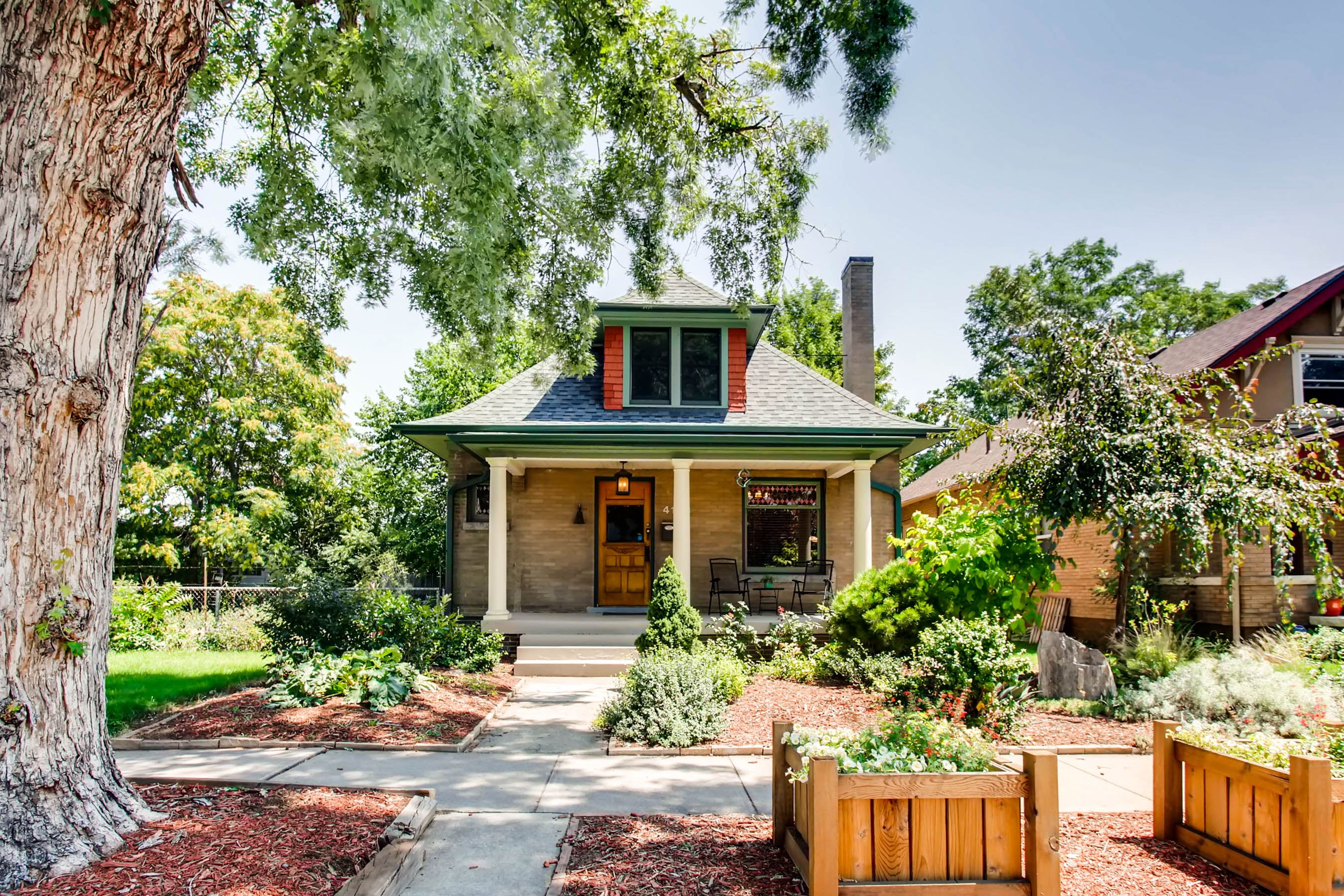 What it is: A residential-feeling neighborhood just north of downtown Denver, known for its tree-lined streets, bungalow-style homes, and emerging local business scene. (the heidi cox team)
Why locals like it:
- More affordable (relatively) compared to some of the ultra-hot inner-city zones. (meridiangrouprealestate.com)
- Quiet but still close to downtown — good balance for buyers who want city access without being in the heart of the hustle.
- Community feel: small local cafés, neighborhood parks, real-local shops.
Things to watch: - Because it’s up-and-coming, you might see more variability in condition of homes and broad price swings.
- Your lifestyle: if you want high-end retail or luxury amenities, you may still need to travel somewhat.
Why it’s interesting for investors/buyers: - Because it’s being discovered, the upside may be stronger than in already saturated “premium” neighborhoods.
- Good “entry” value for buyers who want near-city access with less cost.
2. Barnum (West Side)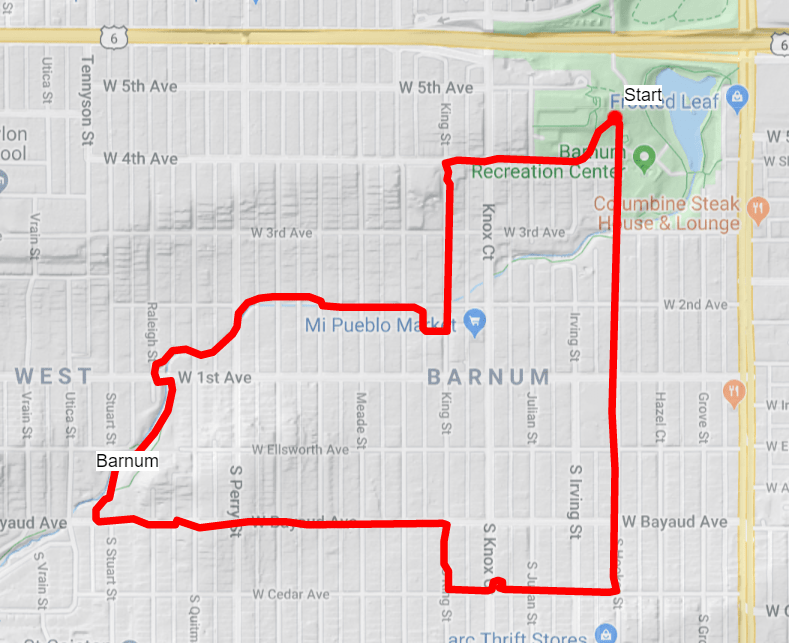
What it is: A lesser-known west-side neighborhood of Denver that’s been spotted in “hidden-gem/affordable” lists for its serious value potential. (meridiangrouprealestate.com)
What stands out:
- Value play: The blog on “affordable neighborhoods you need to know” flagged Barnum as one of the hidden gems. (meridiangrouprealestate.com)
- Character: Older homes, some charm, potential for renovation/upgrade.
What to watch: - While value is attractive, infrastructure, amenities, and resale dynamics may still be less polished than the “premium” neighborhoods.
- Be sure to check specifics—condition, local trends, planned improvement/investment in area.
Why this is interesting: - For investors: If you buy smart and upgrade, could achieve strong ROI.
- For buyers: If you’re willing to trade some amenities for value, this could be a great “get in” spot.
3. Platt Park (South of Downtown)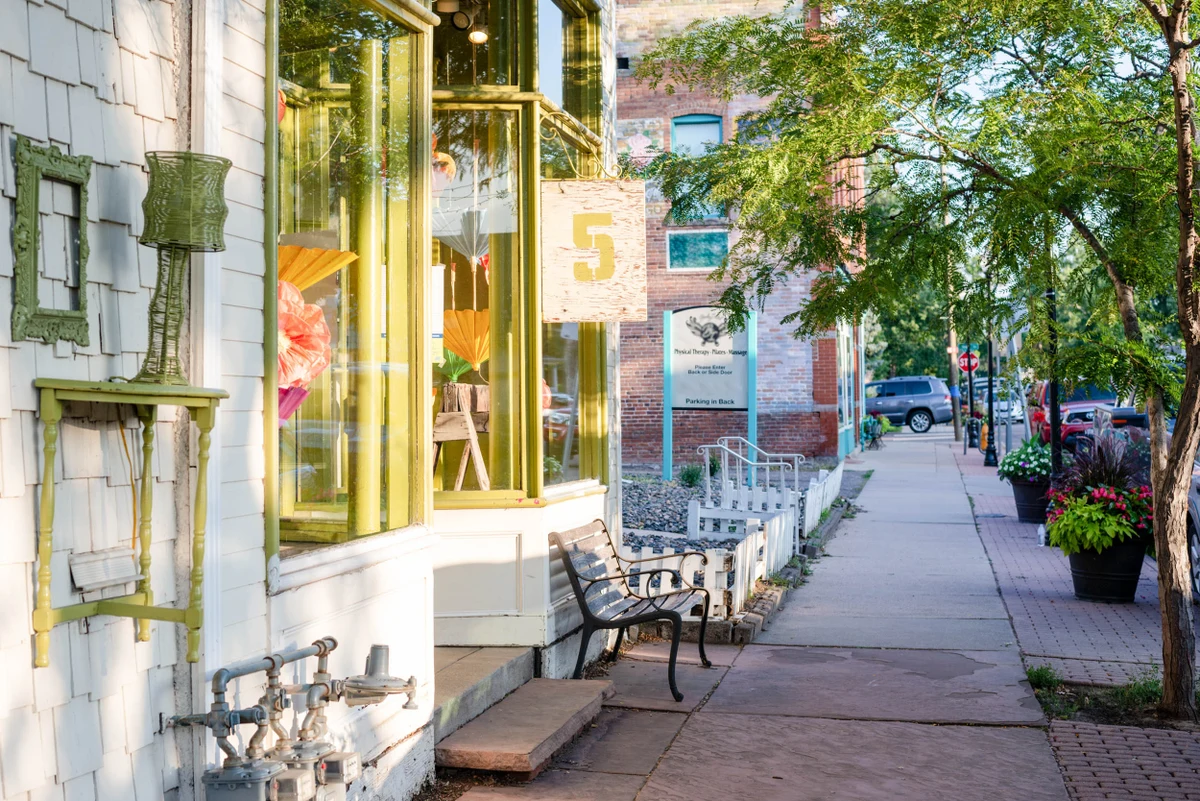
What it is: A family-friendly, charming neighborhood south of downtown Denver — beautiful historic homes, walkable local-business streets (South Pearl Street), and a strong neighborhood identity. (the heidi cox team)
Why locals love it:
- Balance of quiet residential feel + access to good restaurants/shops.
- Strong “neighborhood” vibe: tree-lined streets, older homes with character.
- Near major parks and green space, which appeals to families and lifestyle-buyers.
What to watch: - Because it has many of the “nice” attributes, it may be more competitively priced and may appreciate slower (less “undiscovered”) than the very up-and-coming spots.
- For investors: Might be less of a value-play (though less risk).
Why it’s appealing: - For buyers seeking “forever home” feel within Denver city limits.
- For sellers: If you own in this area and are well maintained, you likely have a strong marketing story.
🎯 Final Thoughts & Strategy Tips
- Hidden-gem neighborhoods are not without risk — they often require more due diligence (condition, infrastructure, future development, buyer-pool).
- For buyers and investors: Focus on micro-neighborhood factors like: condition of stock, proximity to transit/amenities, school district (if applicable), planned infrastructure or zoning changes.
- For sellers: Own in one of these neighborhoods? Your angle might be “underrated neighborhood with growth potential” — good for marketing to buyers who want value + upside.
- Keep in mind timing: As a neighborhood becomes “discovered,” inventory may increase, pricing may rise, and the “edge” value might shrink. Getting in early or finding under-the-radar properties is advantageous.
- Always compare against the more expensive, well-known neighborhoods for “what you give up vs what you gain.” For some buyers, paying more for prestige and amenities makes sense; for others, finding value + growth matters more.