
If you’ve been watching the real-estate scene in the Denver metro area, you’re probably asking: “Which neighborhoods are appreciating fastest? Which ones are slowing down?” Let’s take a look at what’s happening across the city, what that means for buyers & sellers, and how you can use this insight for strategy.
📍 Neighborhoods Showing Strong Appreciation
Here are a few Denver areas that have been holding good momentum or showing relative strength.
Cherry Creek
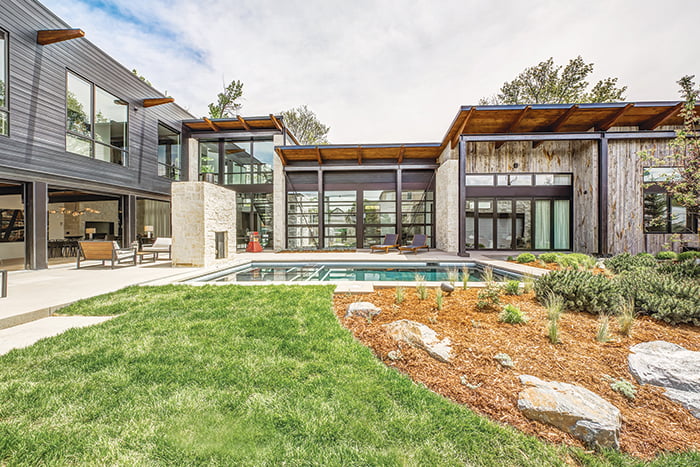
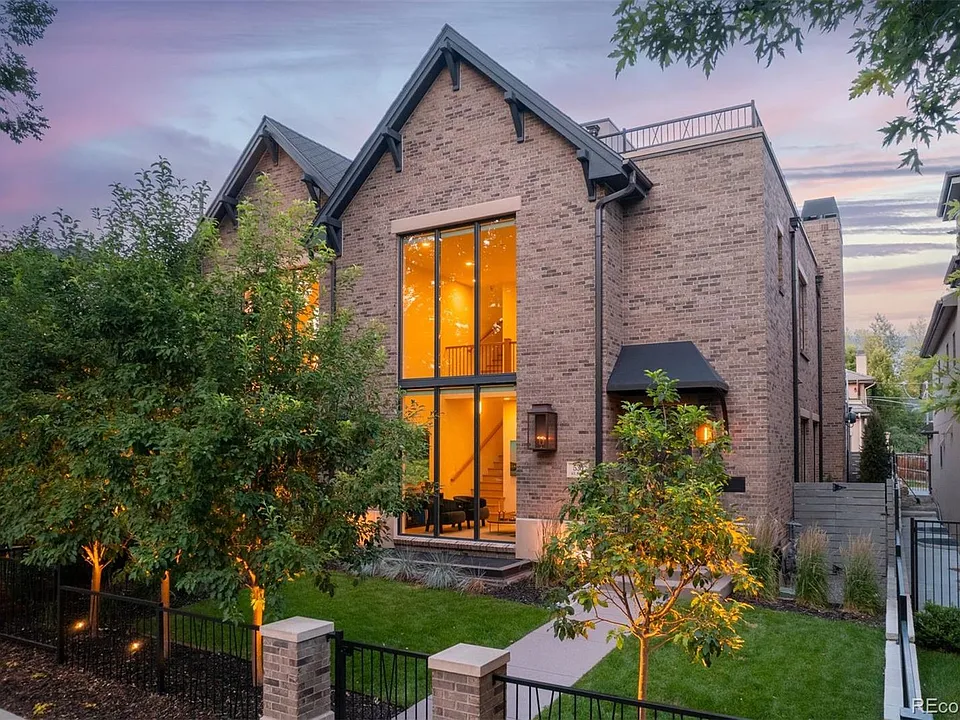
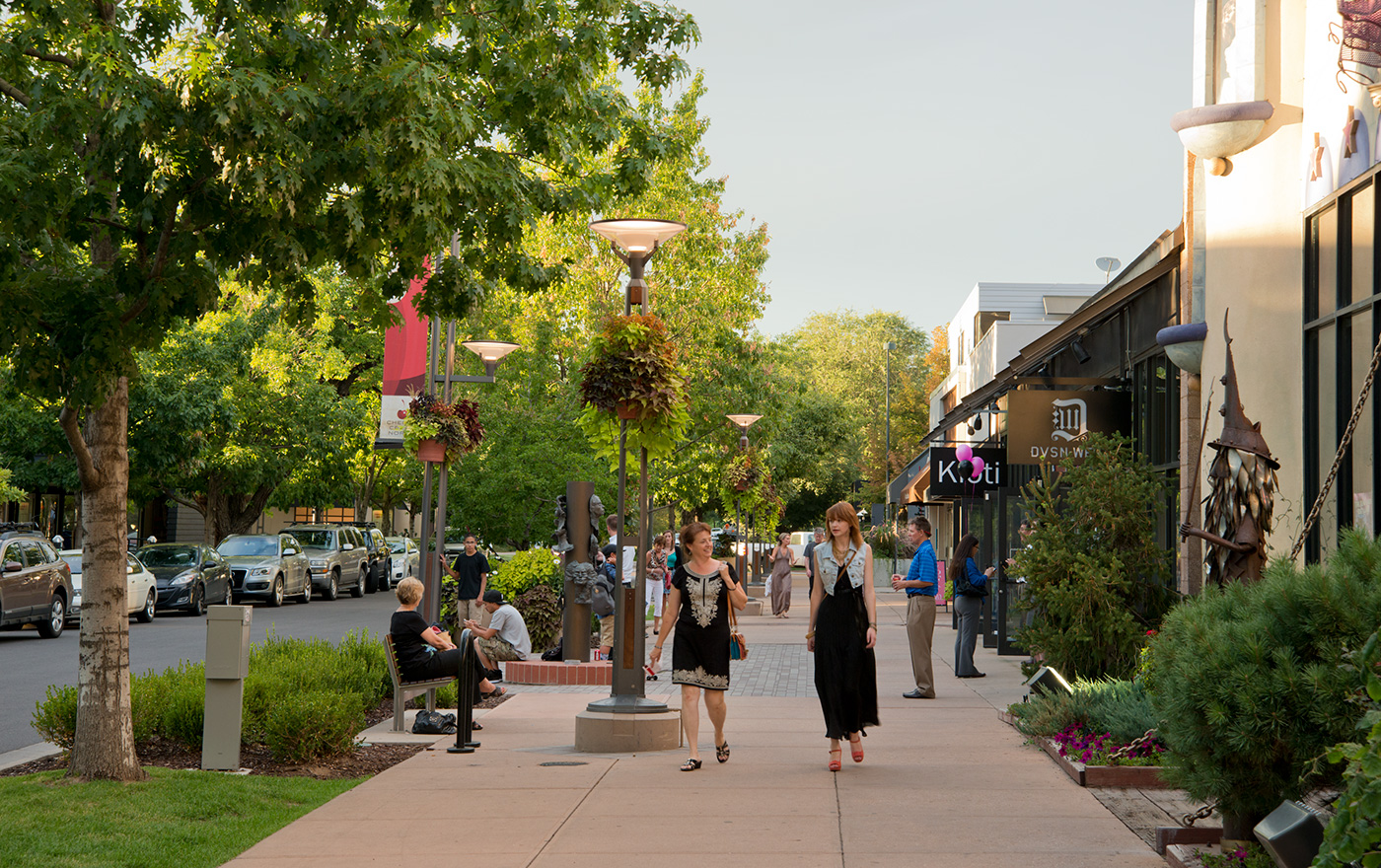
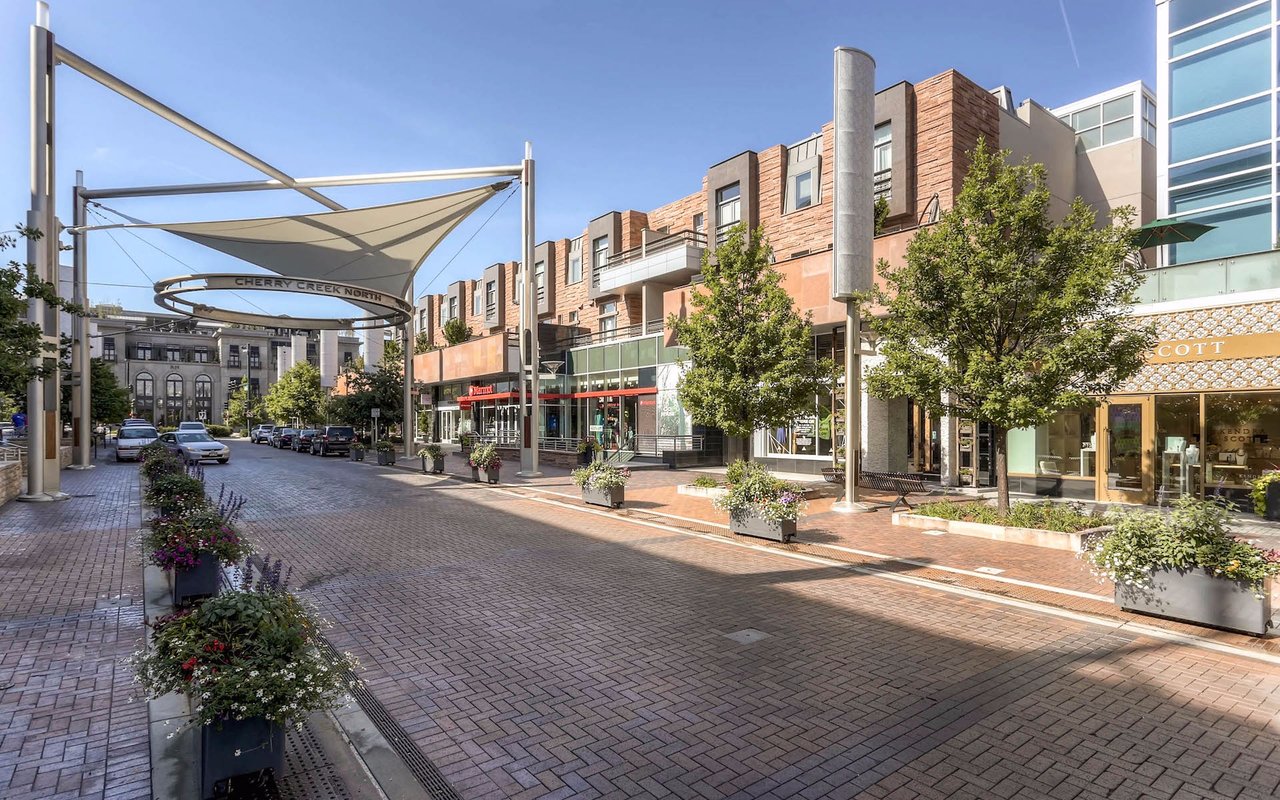
Located just east of downtown, Cherry Creek has long been one of Denver’s luxury-/upper-tier neighborhoods. According to one local market commentary, its limited housing inventory and continued demand keep home values appreciating. (Stuart Crowell)
Why it stands out: Good jobs, strong amenities (shopping, dining, walkability), prestige.
What to watch: Because it’s already costly, the upside might be more moderate than in more affordable “growth” neighborhoods.
Park Hill
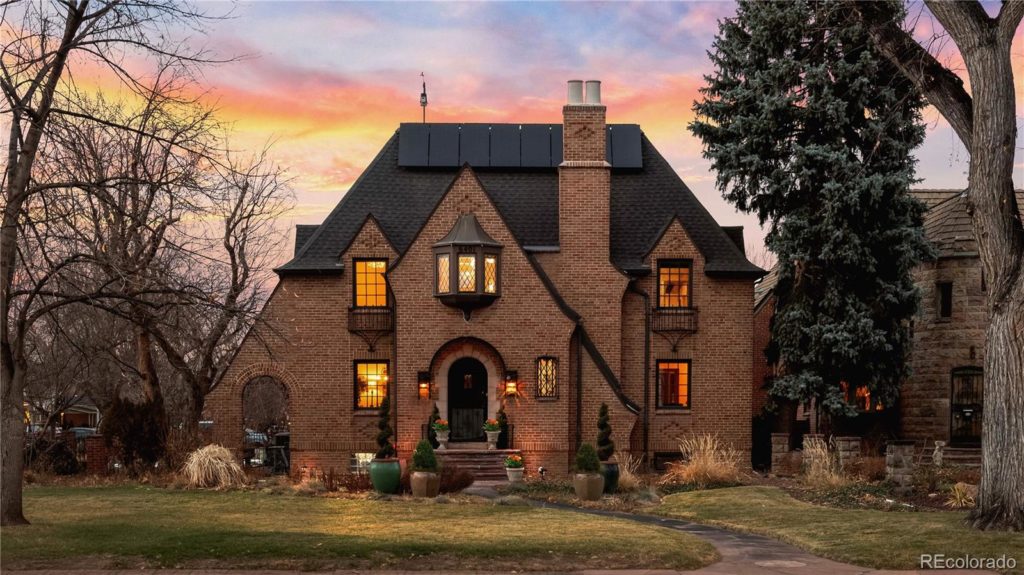

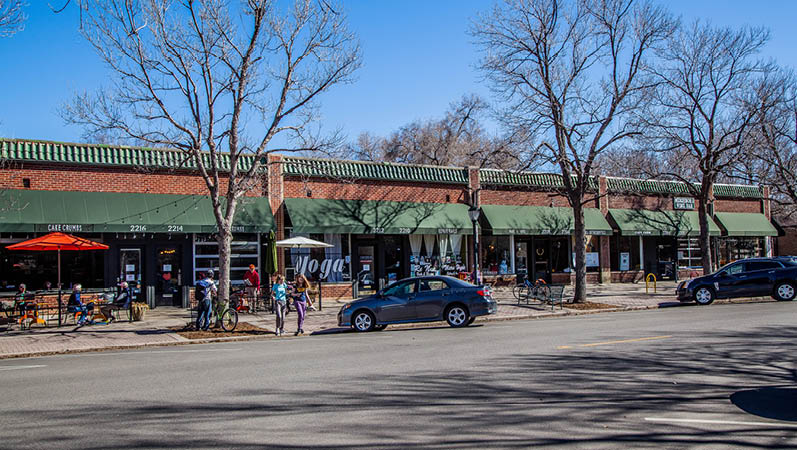
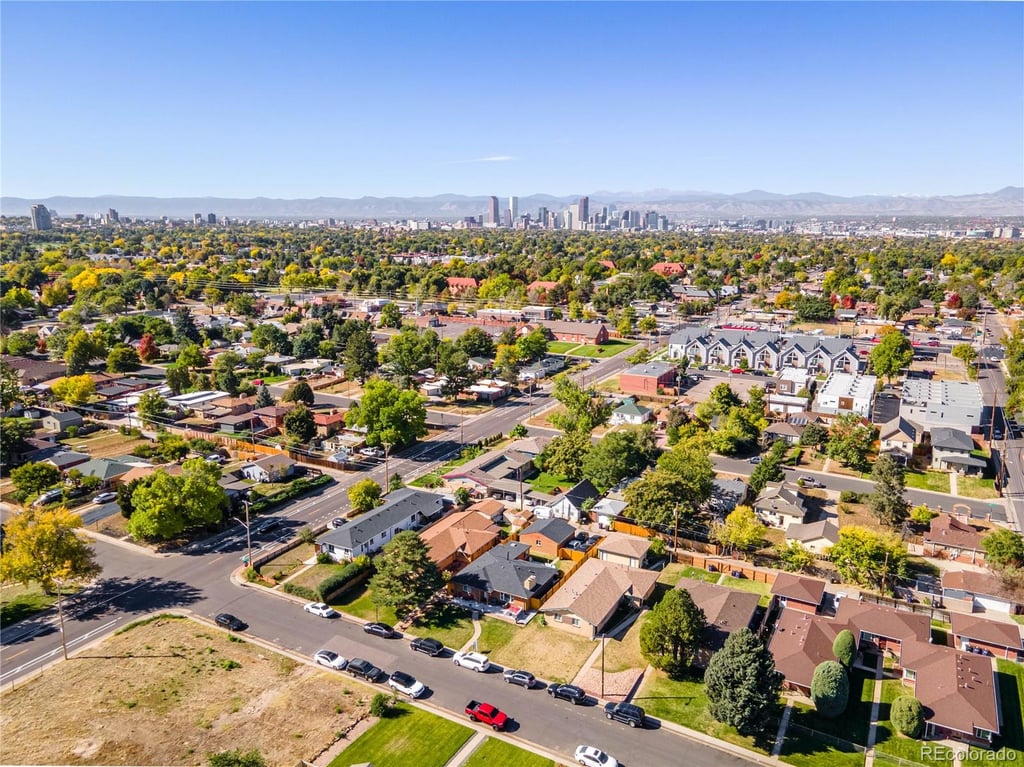

Park Hill is often cited as a steady performer with good long-term potential: “with a median home price of ~$660k … offers solid investment opportunities” per one source. (Bridge Loans)
Why it stands out: Balanced mix of older homes + character, family-friendly environment, strong rental demand.
What to watch: Appreciation may be slower but more stable; less risk of extreme volatility.
Villa Park & Lowry
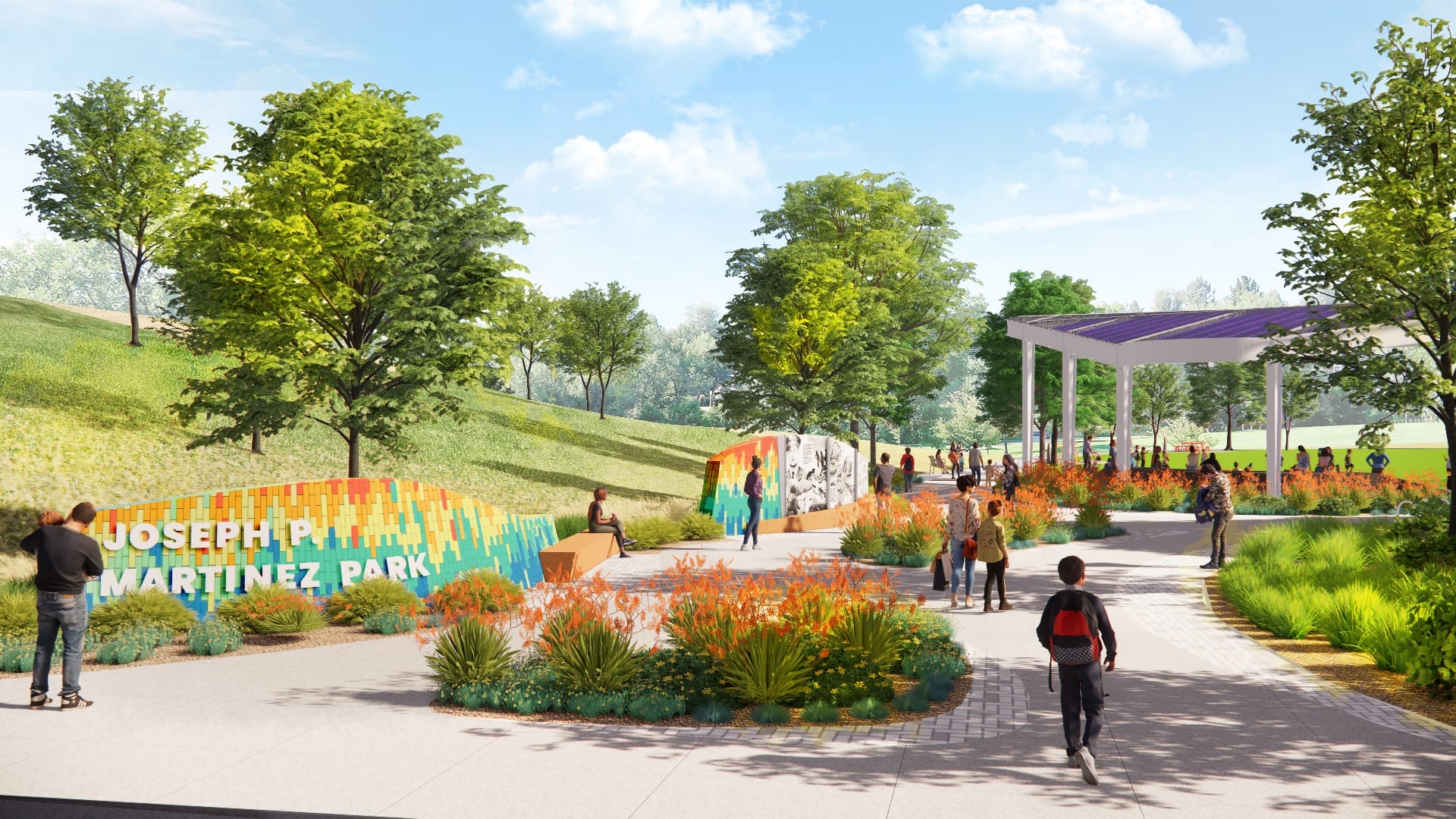
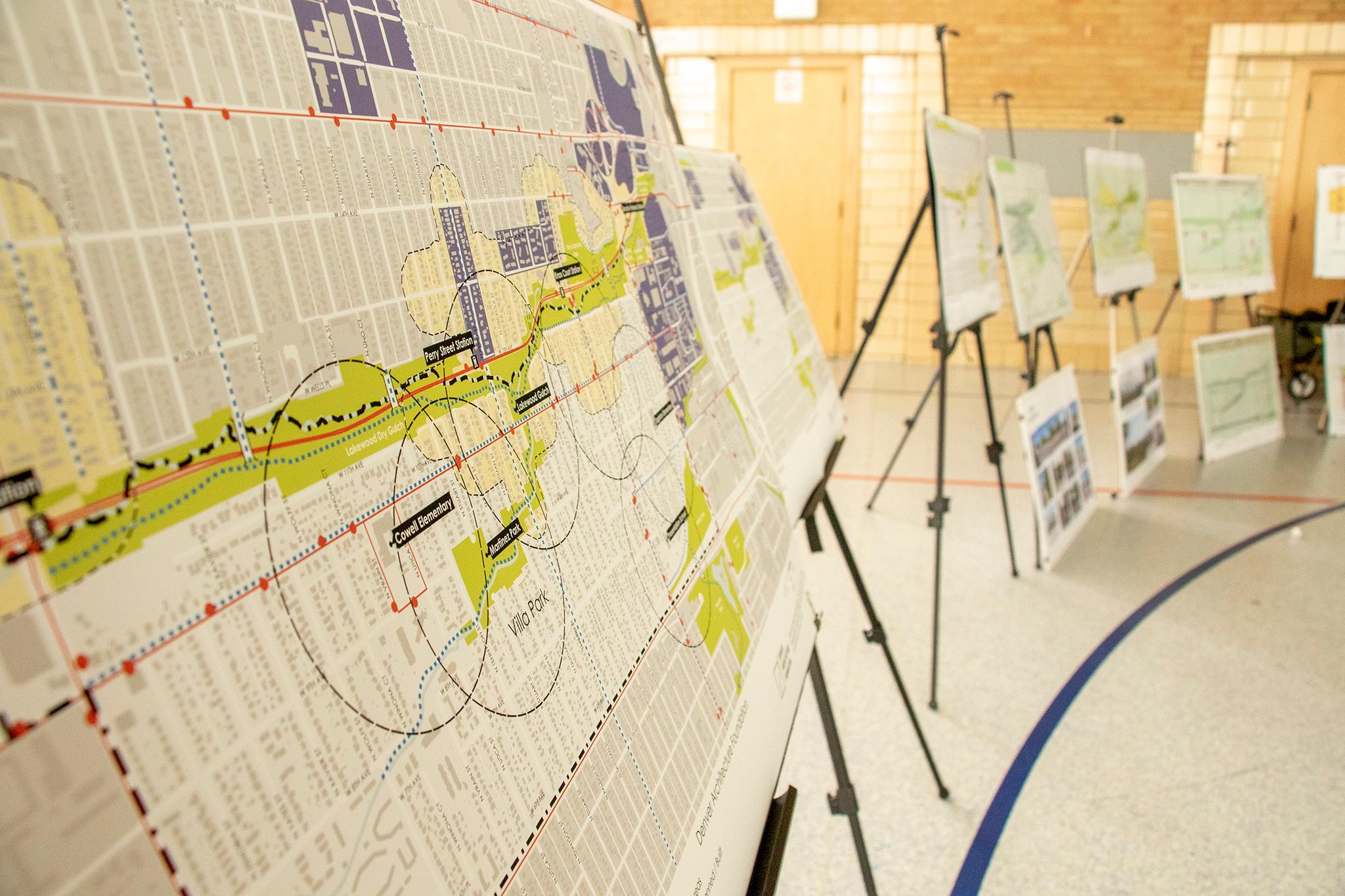
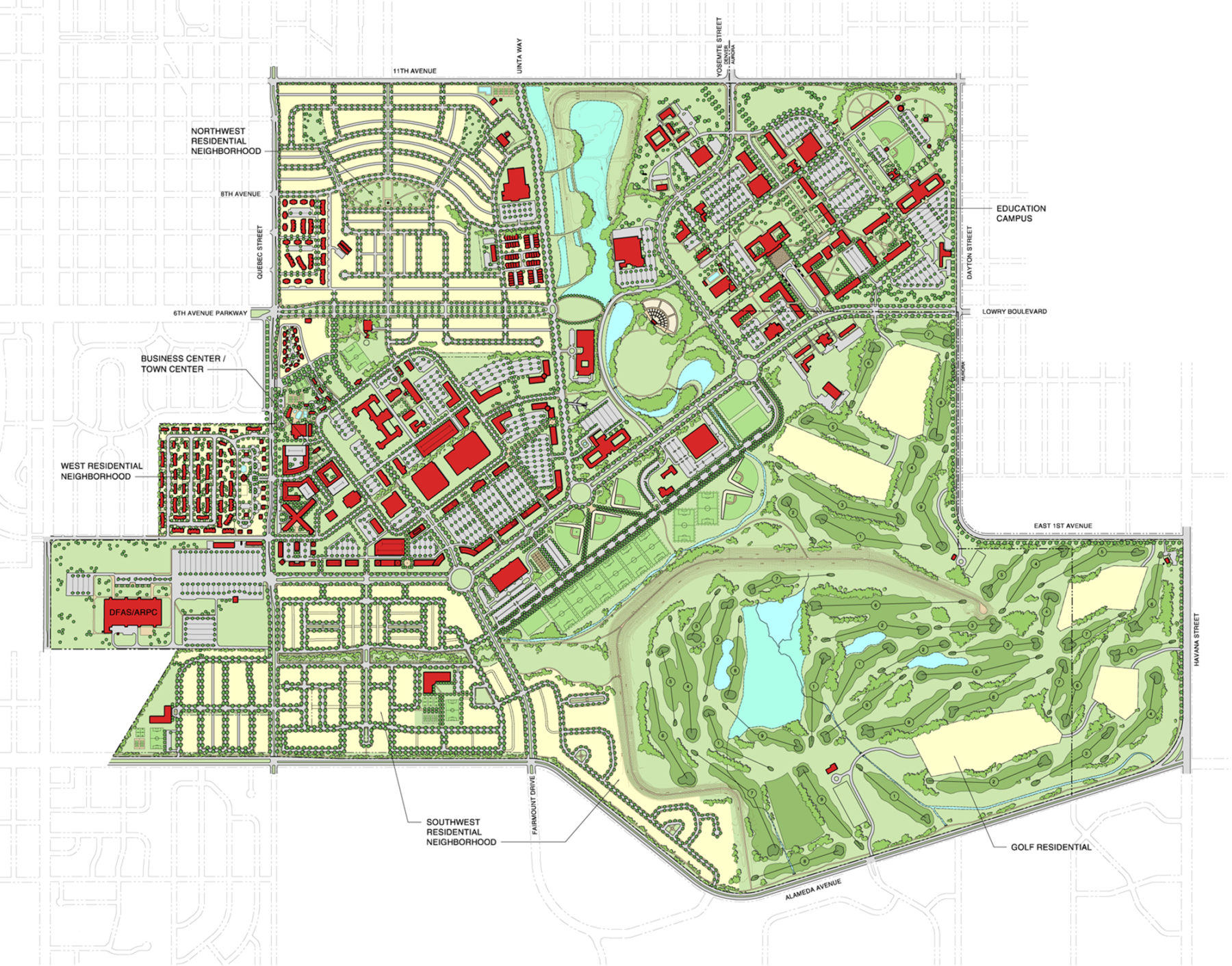
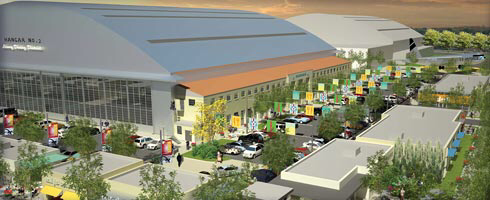
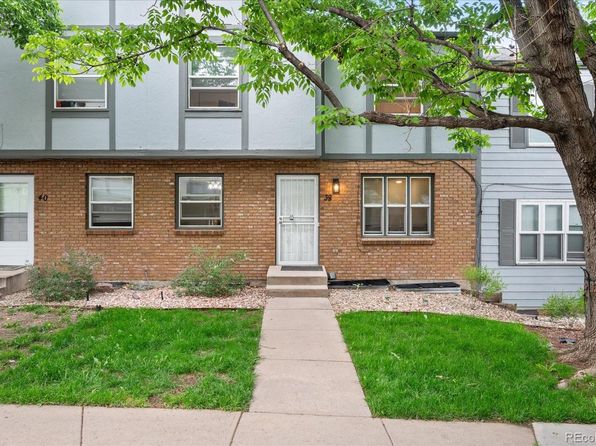

Two neighborhoods flagged by a recent investment-oriented blog as “top up-and-coming” in Denver. (Ark7)
Why they stand out: More affordable entry points + indicators of redevelopment/growth.
What to watch: Because they’re still “emerging,” there’s more upside and more risk (infrastructure, neighborhood changes, gentrification).
🐌 Neighborhoods & Segments That Are Slowing or Showing Caution
It’s not all sprinting ahead. Some parts of the market are showing signs of moderation.
- The citywide data shows the median sale price in Denver was ~$585K and up only ~1.7 % year-over-year as of September 2025. (Redfin)
- According to Zillow’s Home Value Index, Denver home values are down ~4.5 % over the past year. (Zillow)
- More inventory, longer days on market, less frantic bidding – all of which point to a slower pace. (See sources on inventory rising). (CBS News)
- Some neighborhoods with steeper price drops or fewer buyers may be lagging behind the “top tier” performers.
Segments to watch closely:
- Attached homes (condos/townhomes) vs single-family homes (because appreciation often lags).
- More expensive price tiers may plateau or dip before more affordable tiers rebound.
- Neighborhoods farther from key amenities, transit, or with less “buzz” might see slower growth.
✅ What This Means for Your Strategy
For Buyers
- If you focus on the neighborhoods listed above (Cherry Creek, Park Hill, Villa Park/Lowry), you may be buying into recognized growth zones.
- If you pick something in a neighborhood that’s slowing, you may get better “deal” terms — but you’ll want to be comfortable with a longer-term hold and risk that appreciation is more modest.
- Always check the micro-neighborhood dynamics: block-to-block variation matters.
For Sellers
- If you’re in one of the strong-appreciation neighborhoods, you’ve got good marketing story: “located in a top-performing area, historically appreciating.”
- But even in “good” neighborhoods you’ll still want to price and position aggressively: appreciation alone won’t guarantee a sale in a slower market.
- If your neighborhood is showing signs of fatigue or you’re in a more affordable tier, you may need to lean into condition, staging, marketing, and differentiate from competition.
🔍 Key Takeaways
- Not every Denver neighborhood is appreciating at the same rate — the top tiers are still holding up better.
- City-wide appreciation is modest right now; the “explosive growth” years are behind us (for now).
- Location + neighborhood + property type + condition matter more than ever — especially in a more balanced market.
- If you’re buying, focus on growth corridors and neighborhoods with solid fundamentals. If you’re selling, make sure your pricing and marketing reflect the current realities (not just 2021-era expectations).